From ancient chants and Tibetan singing bowls to modern binaural beats and frequency-based therapies, sound has long been recognized as a powerful tool for healing. Across cultures and traditions, music and frequencies have been used to reduce stress, promote relaxation, and even aid in physical healing. Beyond its emotional and spiritual impact, sound has a deep physiological effect on the body.
Modern science is now catching up with what ancient civilizations knew intuitively—sound and vibration influence everything from brain waves to cellular health. This article explores the science behind sound healing, its benefits, different sound therapy techniques, and how you can incorporate sound healing into your daily life.

The Science of Sound Healing
How Sound Waves Interact with the Body
Everything in the universe vibrates, including the human body. Sound is a vibration that travels through air, water, and solids, which means it can directly impact our cells, tissues, and nervous system. Since the human body is composed of approximately 70% water, sound waves travel efficiently through us, influencing both our physical and emotional states (Wei, 2024).

Brainwave Entrainment and Frequency Healing
Different frequencies influence brain function by encouraging the brain to shift into specific states:
- Beta waves (13-30 Hz) – Active thinking, problem-solving, stress.
- Alpha waves (8-12 Hz) – Relaxation, creativity, meditation.
- Theta waves (4-7 Hz) – Deep relaxation, intuition, dreaming.
- Delta waves (0.5-3 Hz) – Deep sleep, healing, regeneration.
Techniques like binaural beats work by playing slightly different frequencies in each ear, encouraging the brain to “entrain” to a particular state. For example, listening to theta frequencies (4-7 Hz) can promote deep relaxation and meditation, while delta frequencies (0.5-3 Hz) are linked to deep sleep and healing (Wei, 2024).

How Sound Affects the Nervous System
Studies show that certain types of music and frequencies can:
- Lower cortisol levels (the stress hormone).
- Increase dopamine and serotonin, boosting mood and reducing anxiety.
- Regulate heart rate and blood pressure, promoting relaxation.
- Activate the vagus nerve, supporting emotional balance and overall well-being (Wei, 2024).
The Benefits of Sound Therapy
1. Stress Reduction and Relaxation
Listening to calming music or specific healing frequencies can lower stress hormones and activate the parasympathetic nervous system (the “rest and digest” mode). Tibetan singing bowls, 432 Hz music, and nature sounds have been found to reduce anxiety and promote a deep sense of peace (Wei, 2024).
2. Improved Sleep Quality
Sound therapy, particularly delta wave frequencies and white noise, has been shown to improve sleep quality by encouraging deep, restorative rest. Many people use binaural beats or sound baths to aid with insomnia and sleep disorders (Travers, 2024).
3. Emotional Healing and Trauma Release
Sound vibrations can help process stored emotions and trauma by stimulating the vagus nerve, which is connected to emotional regulation. Chanting, singing, and drumming have been used in indigenous healing rituals for emotional release and mental clarity (Travers, 2024).
4. Pain Relief and Physical Healing
Certain frequencies, such as 528 Hz (“the love frequency”), have been studied for their ability to promote cellular regeneration and reduce pain. Research has shown that sound therapy can help manage chronic pain, support post-surgical healing, and even reduce the symptoms of conditions like fibromyalgia and arthritis (Wei, 2024).

Different Forms of Sound Healing
1. Binaural Beats and Solfeggio Frequencies
- Binaural beats use two slightly different frequencies played in each ear to encourage specific brainwave states.
- Solfeggio frequencies (e.g., 396 Hz for releasing fear, 528 Hz for healing, 741 Hz for intuition) are ancient tones believed to promote physical and spiritual well-being (Travers, 2024).
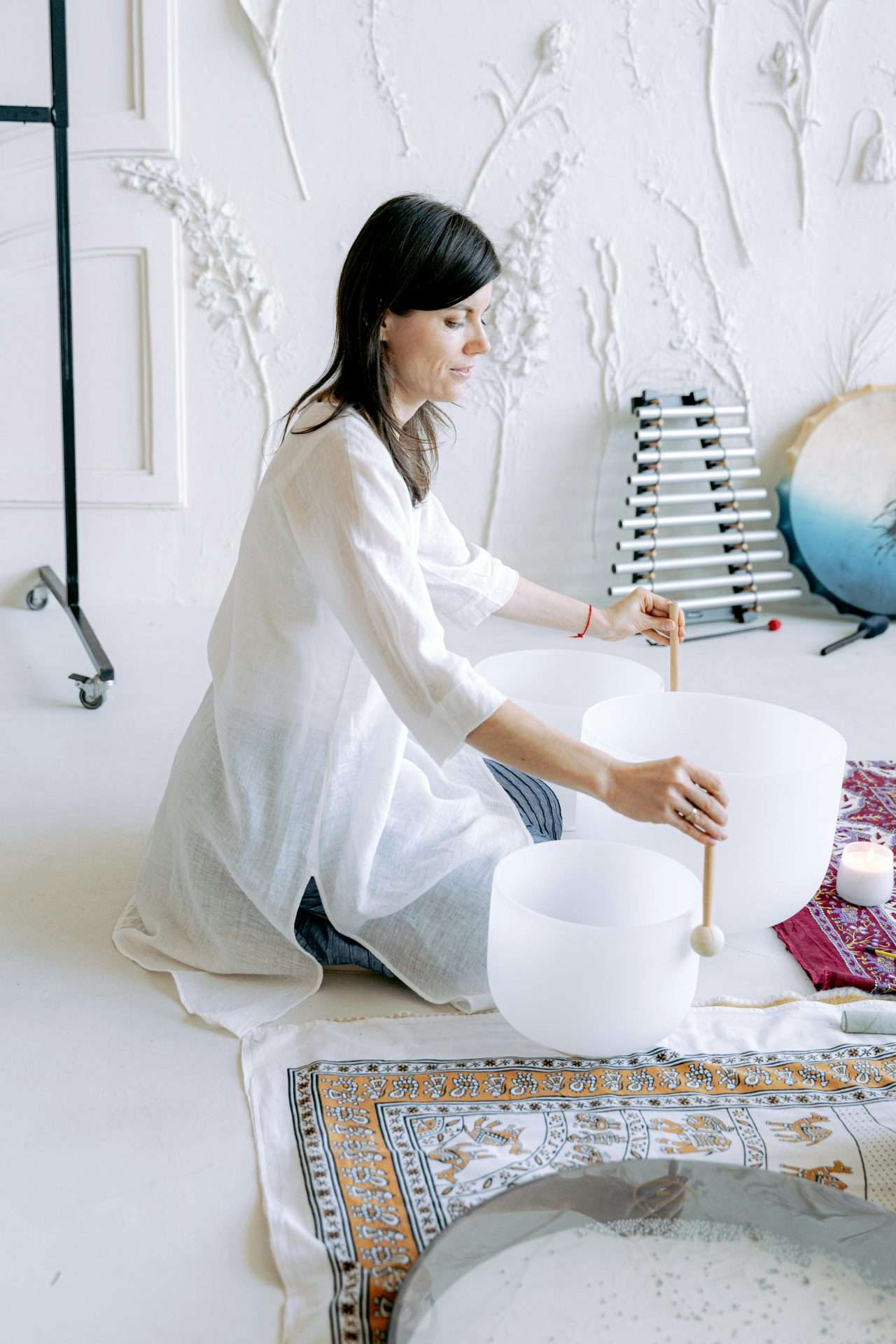
2. Tibetan Singing Bowls and Crystal Bowls
- These bowls produce rich overtones that create deep relaxation and resonance within the body.
- Used in meditation, chakra balancing, and therapy sessions to enhance healing (Wei, 2024).
3. Gong Baths and Sound Baths
- Participants lie down while being immersed in the vibrations of gongs, bowls, chimes, and other instruments.
- Known to help clear emotional blockages and induce deep relaxation (Travers, 2024).
4. Mantras and Chanting
- Chanting ancient Sanskrit mantras (e.g., “Om”) is believed to align the body’s energy and improve mental clarity.
- Singing or humming stimulates the vagus nerve, promoting relaxation and emotional balance (Travers, 2024).
5. Music Therapy in Medical Settings
- Many hospitals now use music therapy to aid in recovery, particularly for patients dealing with pain, depression, or neurological conditions like Alzheimer’s or Parkinson’s disease.
- Studies have shown that classical music, particularly Mozart, can enhance cognitive function and memory retention (Wei, 2024).

How to Incorporate Sound Healing into Daily Life
1. Create a Personal Sound Healing Practice
- Listen to binaural beats while meditating or working.
- Try singing bowl or gong recordings for relaxation.
- Use Solfeggio frequencies to set the tone for your day.
2. Use Music to Shift Your Energy
- Play uplifting music (e.g., 432 Hz, jazz, or classical) to boost mood.
- Listen to slow, rhythmic music to wind down before bed.
- Dance, sing, or drum to release stress and stagnant energy.
3. Explore Nature Sounds and Silence
- Ocean waves, rainforest sounds, and wind chimes can be deeply calming.
- Sitting in silence and listening to natural ambient noise can reset the nervous system.
4. Try Sound Therapy Tools and Apps
- Use apps like Brain.fm, Calm, Insight Timer, or MyNoise for personalized sound healing experiences.
- Invest in a singing bowl, tuning fork, or chime for hands-on therapy.

Conclusion
Sound is more than just an auditory experience—it is a vibrational force that interacts with our body, mind, and emotions in profound ways. Whether through binaural beats, singing bowls, chanting, or music therapy, sound healing has the power to reduce stress, enhance sleep, promote emotional release, and even support physical healing.
By integrating sound healing practices into your daily life, you can tap into ancient wisdom and experience its transformative effects firsthand. The next time you listen to music, remember—it’s not just sound; it’s healing in motion.
Sources:
- Travers, M. (2024, February 12). Exploring the Healing Power of Sound Baths. Psychology Today. Retrieved from Psychology Today
- Wei, M. (2024, January 16). The Healing Power of Sound as Meditation: Research Suggests Sound is a Powerful Tool to Reduce Pain, Anxiety, and More. Psychology Today. Retrieved from Psychology Today
- Bowen, C. (2025, February 19). I tried a healing sound bath for my stress and anxiety – here’s my honest review. Cosmopolitan. https://www.cosmopolitan.com/uk/body/health/a43454012/sound-bath-review/