

Brought to you in collaboration with Fay. We only partner with brands that reflect our values and standards, ensuring content that benefits you.
In this Article
What Is a Registered Dietitian?What Do Dietitians Do for Clients?
Registered Dietitian vs. Nutritionist: What’s the Difference?
10 Reasons People Rely on Registered Dietitians
Final Thoughts
FAQs
Keto. Intermittent fasting. Gluten-free. The internet is full of nutrition advice that adopts a one-size-fits-all approach. But what works for someone else won’t always work for you.
This is where a registered dietitian helps clear the clutter. They listen to your real-life challenges to offer guidance that fits your routine. No guesswork. No fads. Just practical, evidence-based advice you can trust.
So, in this article, we’ll explore what dietitians really do and why their support leads to lasting change.

What Is a Registered Dietitian?
A registered dietitian (RD or RDN) is a food and nutrition expert with an academic background and clinical training to provide trusted, personalized care.
To earn this credential, dietitians must complete:
- A bachelor’s or master’s degree in nutrition, dietetics, or a related field from an accredited program
- Extensive coursework in areas such as biology, medical nutrition therapy, food science, and counseling
- At least 1,000 hours of supervised practice through a certified internship or coordinated program
- A national registration exam administered by the Commission on Dietetic Registration (CDR)
- Ongoing continuing education to maintain their credential
Note: While the RD/RDN credential is nationally regulated, many states have additional license or certification requirements to practice.

What Do Dietitians Do for Clients?
Dietitians do more than hand you a meal plan. They build a real relationship with you, offering:
- Support that evolves with your progress (not a one-time fix)
- Answers you can trust, grounded in clinical training and experience
- Practical strategies that work with your lifestyle
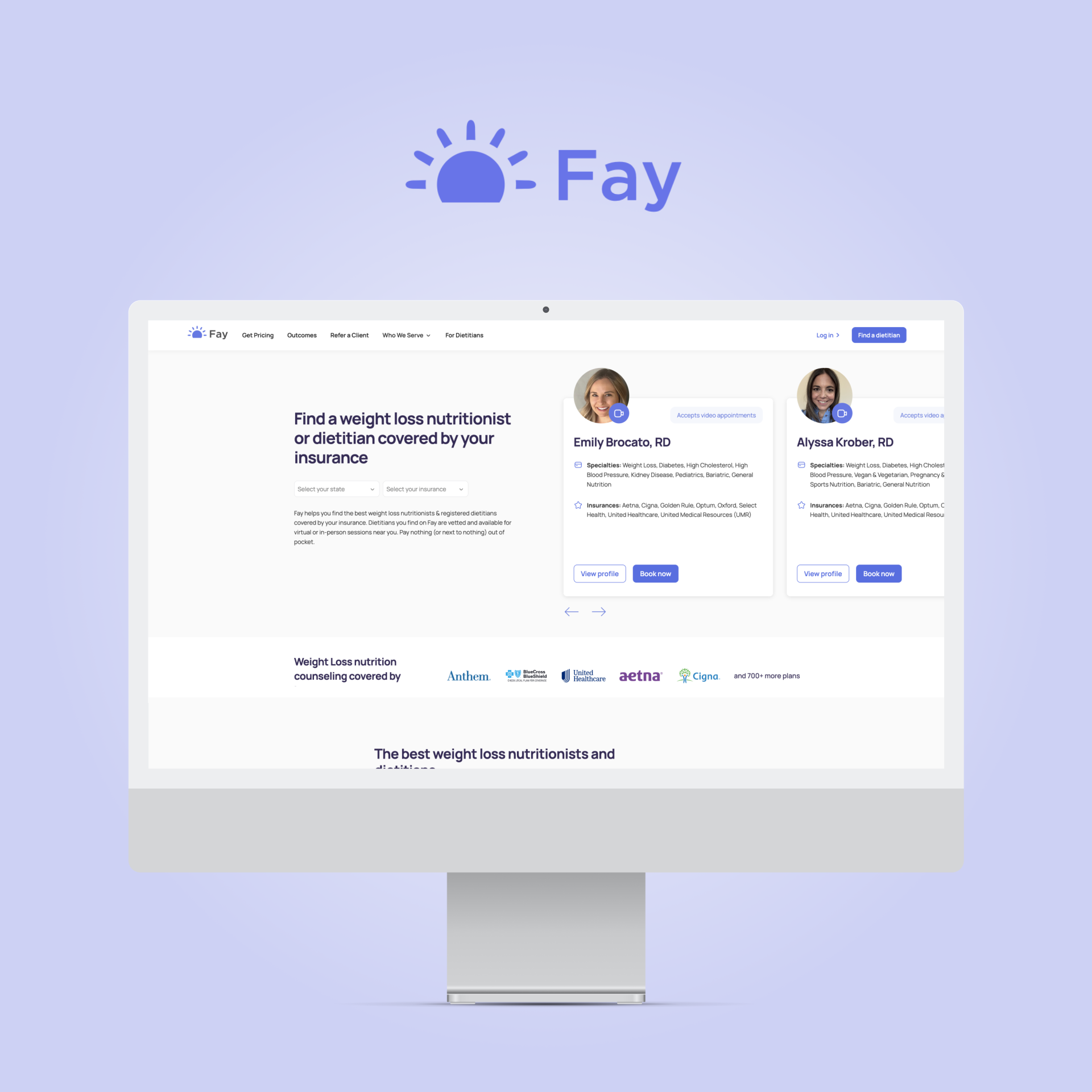
It’s a real partnership, not a quick consult or an app that spits out macros. Personalized support like this is easier to access than many people think. Through Fay, your insurance may cover sessions with a registered dietitian, available online or in person, often at little or no cost.
Registered Dietitian vs. Nutritionist: What’s the Difference?
It’s easy to assume “dietitian” and “nutritionist” mean the same thing, but there’s a clear difference in training and qualifications.
As mentioned above, registered dietitians (RDs) earn a nationally recognized credential, which includes supervised clinical training and passing a board exam. Many also hold state licenses, adding another layer of professional oversight.
Nutritionists, on the other hand, aren’t subject to the same regulations. In many states, anyone can call themselves a nutritionist, even without formal education or clinical experience.
That distinction makes all the difference when you’re trying to address specific health challenges. An RD, for example, is qualified to work alongside your physician to help manage conditions like:
- Diabetes
- Heart disease
- Digestive issues
- Eating disorders
That’s why Fay partners only with licensed RDs, so you can feel confident you’re getting expert care grounded in clinical training and real-world experience.

10 Reasons People Rely on Registered Dietitians
People work with registered dietitians for all kinds of reasons, some health-related, others lifestyle-driven. But, no matter the goal, the right support can simplify food choices. With that said, below are ten of the most common reasons people turn to dietitians for help that actually works:

1. Weight Loss That Lasts
You’re not alone if you’ve tried every diet online and still feel stuck. Years of yo-yo dieting and slow progress can leave anyone feeling discouraged.
That’s often when people reach out to a registered dietitian. Instead of handing over a one-size-fits-all meal plan, they take time to understand what’s already working in your routine and then help you tweak the rest.
They’ll track your progress and adjust the plan as life shifts. You’re not expected to manage it all on your own. Instead, you’ll benefit from real support, making long-term change much more realistic.

2. Healthy Weight Gain
Putting on weight in a healthy way takes more than piling on extra portions. It’s about fueling your body with the right nutrients and having a plan that adapts as you do. A registered dietitian can help you build that kind of plan, offering steady, personalized support so you’re not left guessing or chasing quick fixes.

3. Building Muscle and Strength
Lifting weights and eating more protein are a good start, but they may not be enough on their own. If you’re not seeing the muscle gains you’re working hard for, a registered dietitian can help fine-tune your nutrition. That includes building a plan with the right balance of protein, carbs, and healthy fats and helping you time your meals to support recovery and real results.

4. Transitioning to a Plant-Based Diet
Switching to a vegetarian or vegan lifestyle can be rewarding. However, it can raise new questions, especially about getting enough protein, iron, and B12. A registered dietitian can help you navigate those changes with confidence. They’ll create a balanced meal plan with nutrient-rich foods like lentils, tofu, quinoa, and fortified plant milks. They’ll also provide practical advice on supplements and ways to support better nutrient absorption.

5. Managing Food Allergies or Intolerances
Living with a food allergy or intolerance can feel overwhelming when you’re trying to stay safe and enjoy your meals. However, a registered dietitian can help you take control, starting with identifying safe, nutritious alternatives to common triggers like dairy, gluten, or nuts. They’ll work with you to build balanced, satisfying menus that keep your diet varied.
You’ll also learn practical strategies to help you:
- Read and interpret food labels
- Plan for travel or dining out
- Avoid cross-contamination in the kitchen
Armed with this knowledge, you’re better positioned to eat with confidence, knowing you’re protecting your health without sacrificing the foods you love.

6. Understanding Macros and Meal Timing
Are you unsure how much protein, carbs, or fat your body really needs or when to eat to get the best results? A registered dietitian can explain it clearly based on your goals and daily routine. It doesn’t matter whether you’re training for a race, working night shifts, or trying to feel more energized; they’ll build a macro plan and meal schedule that fits your lifestyle.

7. Improving Gut Health or Digestion
Digestive discomfort and bloating can turn every meal into a guessing game. Working with a registered dietitian helps bring clarity by identifying which foods may be causing issues and how your body is responding. Through gentle, tailored changes that support digestion and fit your routine, you’ll start to feel more at ease.

8. Enhancing Sports Performance
Athletes and active individuals often train hard, but don’t always see the results they’re working for.
A registered dietitian can help you fine-tune your nutrition so it supports your goals. That could mean:
- Figuring out the best way to fuel up before a session
- Choosing foods that actually help you recover
- Adjusting your intake on rest days
So, instead of guessing what your body needs, you’ll have a plan that makes progress feel more consistent.

9. Developing a Healthier Relationship with Food
Food shouldn’t come with guilt or stress, but for many people, it does. A registered dietitian can help you understand where those feelings come from and offer a more compassionate way forward. This support might involve letting go of restrictive patterns or tuning in to your body’s natural hunger cues, so meals feel calmer and less overwhelming.

10. Creating a Family-Friendly Nutrition Plan
Feeding a family can feel like a juggling act when you’re trying to cook healthy meals while managing a tight schedule or navigating picky appetites. A registered dietitian helps take the pressure off by offering practical support tailored to your household. That might mean tweaking your favorite meals to include more variety, or planning a weekly menu that fits how you already eat. As small changes add up, you can stop stressing about what’s on the table and focus more on who’s around it.
Final Thoughts
Whatever your health goals, a registered dietitian does more than provide advice. They offer personalized support grounded in proven methods, so the changes you make are more likely to last.
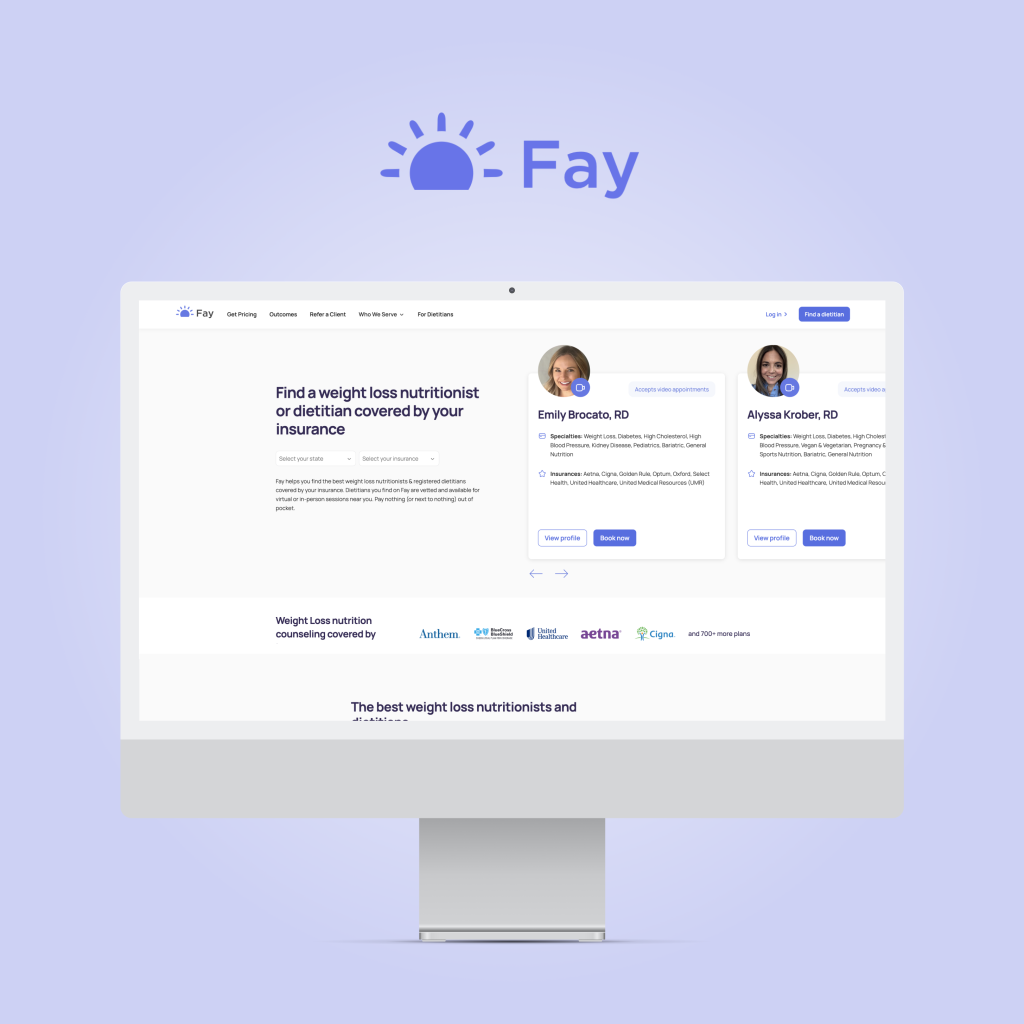
If you’re ready for nutrition guidance that fits your lifestyle, platforms like Fay make it simple to get started. Plus, most sessions are covered by insurance, making expert support more accessible than ever.
FAQs
What do dietitians do for weight loss?
Dietitians create personalized plans that support steady weight loss. This includes guiding food choices and offering support to help you stay consistent.
Are dietitians covered by insurance?
Yes, many health plans cover sessions. What dietitians do is considered preventive care, and Fay partners with over 700 providers to make access easier.
Can dietitians help with food sensitivities?
Yes. What dietitians do includes identifying triggers and recommending alternatives to build balanced plans that reduce discomfort and support better digestion.
What’s the difference between a nutritionist and a dietitian?
Dietitians are backed by formal training and licenses. In many states, “Nutritionist” isn’t a regulated title and doesn’t always require credentials.
How do I find a dietitian near me?
To find a dietitian and get tailored support, visit Fay to find in-network providers offering virtual and in-person sessions.




5 Responses
Good knowledge want to join
Kindly call or text me
5802956967
Do you take Medicare PPO with a supplemental through United Healthcare?
I have SIBO and am having trouble finding foods I can tolerate. I need help.