
Brought to you in collaboration with Manta Sleep. We only partner with brands that reflect our values and standards, ensuring content that benefits you.
In this Article
The Problem: Why Sleep in College Seems Impossible1. Invest in 100% blackout with the Manta PRO Sleep Mask.
2. Master strategic napping between classes.
3. Win the blue light battle.
4. Create dorm-friendly sleep rituals.
5. Perfect weekend sleep recovery (without destroying weekdays).
6. Coordinate with roommates for shared sleep success.
7. Time caffeine intake like a sleep scientist.
Combine them all for sound sleep.
The Bottom Line
FAQs
Your roommate starts their midnight gaming session just as you’re trying to fall asleep. The hallway turns into a party zone at 2 AM with doors slamming and voices echoing. That streetlight blazes right through your supposedly “blackout” curtains like a spotlight on your pillow.
Welcome to the reality of college sleep, where 50% of students report daytime sleepiness, compared to 36% of adolescents and adults. Additionally, 70% of students lack sufficient sleep, with most averaging just 5.7 hours, and pull an average of 2.7 all-nighters per month. You need some good sleep hacks to beat these odds!
Here’s what the research makes crystal clear: every hour of lost sleep is associated with a 0.07 reduction in end-of-term GPA. That’s not just tired mornings. That’s your academic future at stake.
Don’t resign yourself to zombie status until graduation. These seven science-backed sleep hacks can transform your dorm room into a sleep sanctuary and your grades into something worth celebrating!
The Problem: Why Sleep in College Seems Impossible
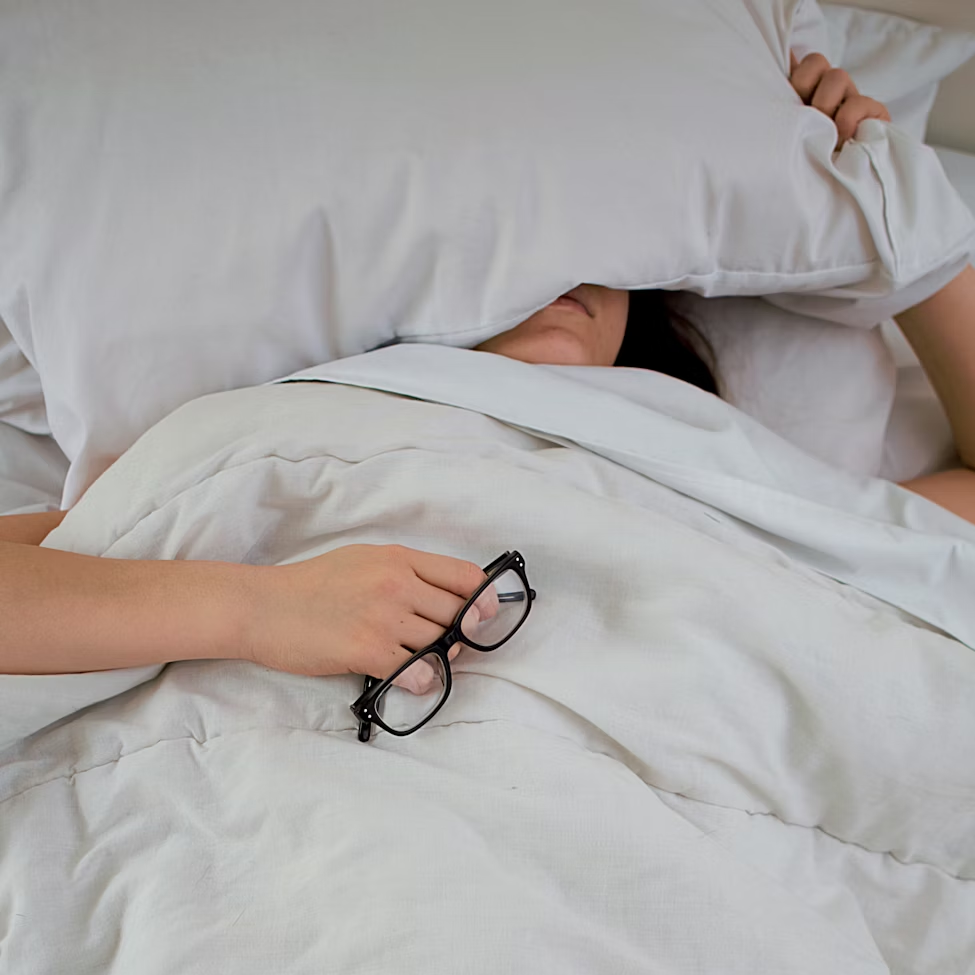
College sleep isn’t just challenging—it’s essentially designed to fail. The culprits? Thin dorm walls that transmit every sound, irregular schedules that shift daily, shared spaces with roommates on completely different sleep cycles, and wild classmates who must not have class tomorrow. Add in academic stress, social pressure, and the freedom to make terrible sleep decisions, and you’ve got a perfect storm for sleep deprivation.
Research indicates that sleep accounts for nearly 25% of the variance in academic performance. Translation? Fixing your sleep is one of the most direct paths to better grades. Let’s dive into some handy sleep hacks to get your beauty sleep back!
1. Invest in 100% blackout with the Manta PRO Sleep Mask.
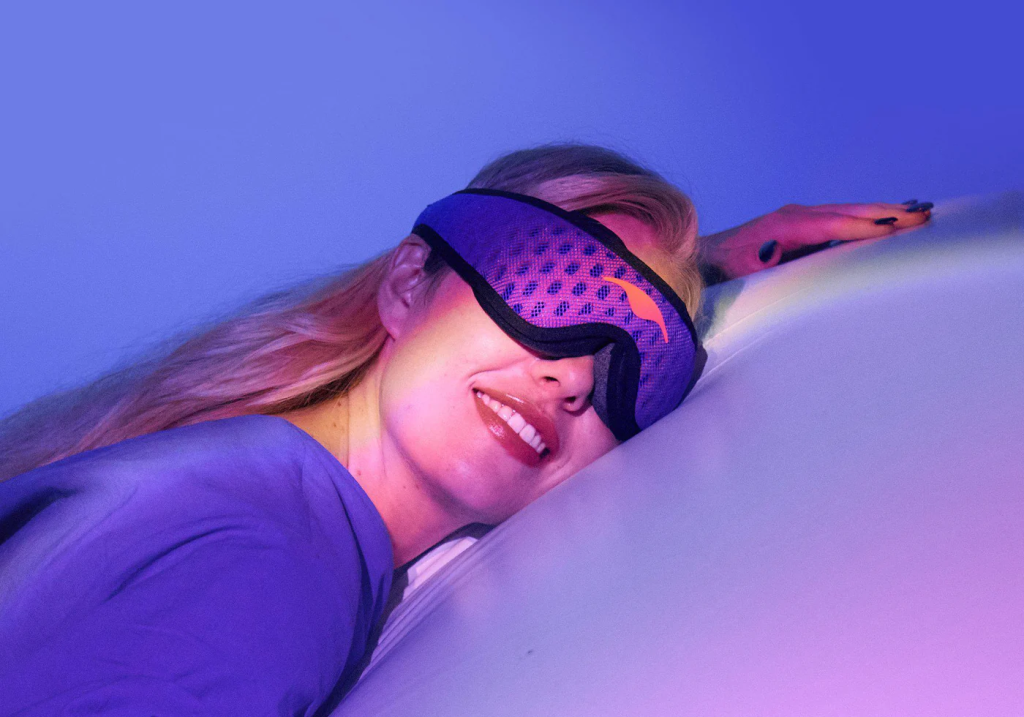
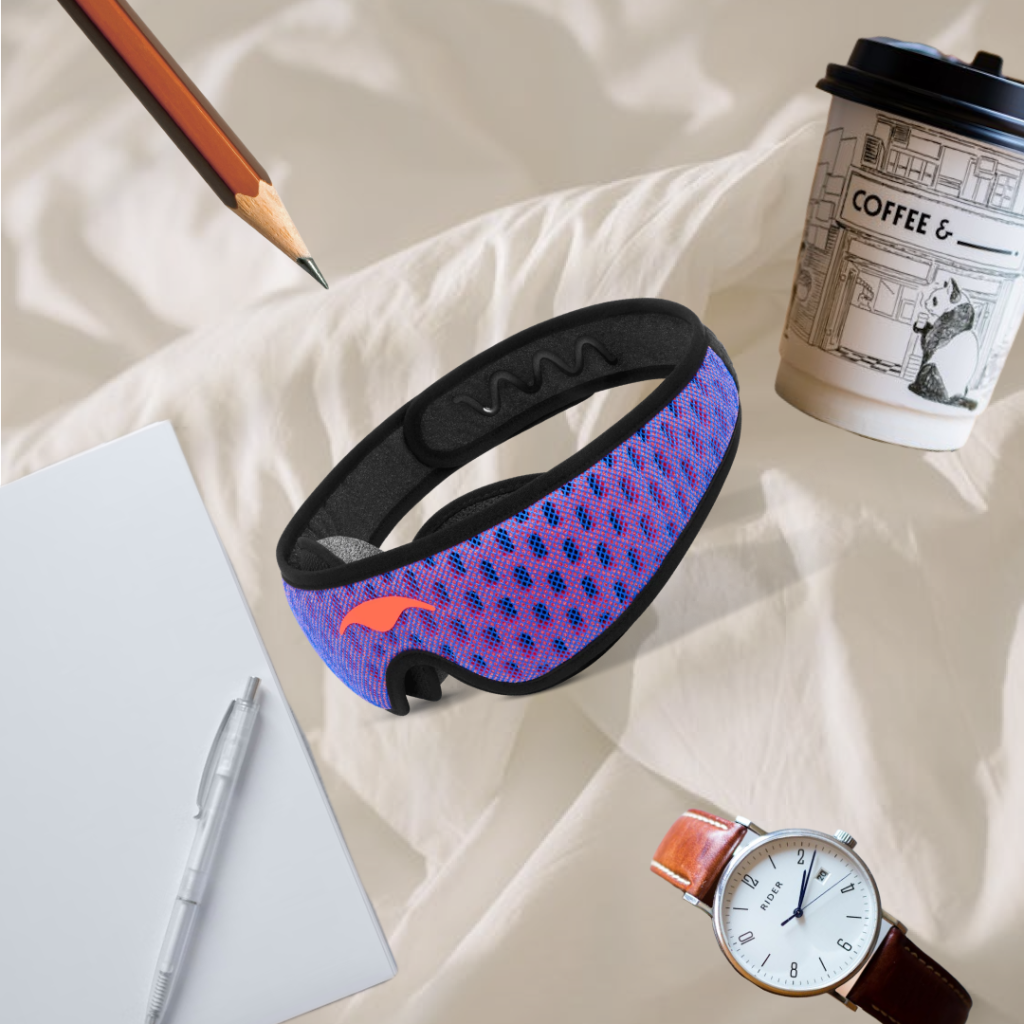
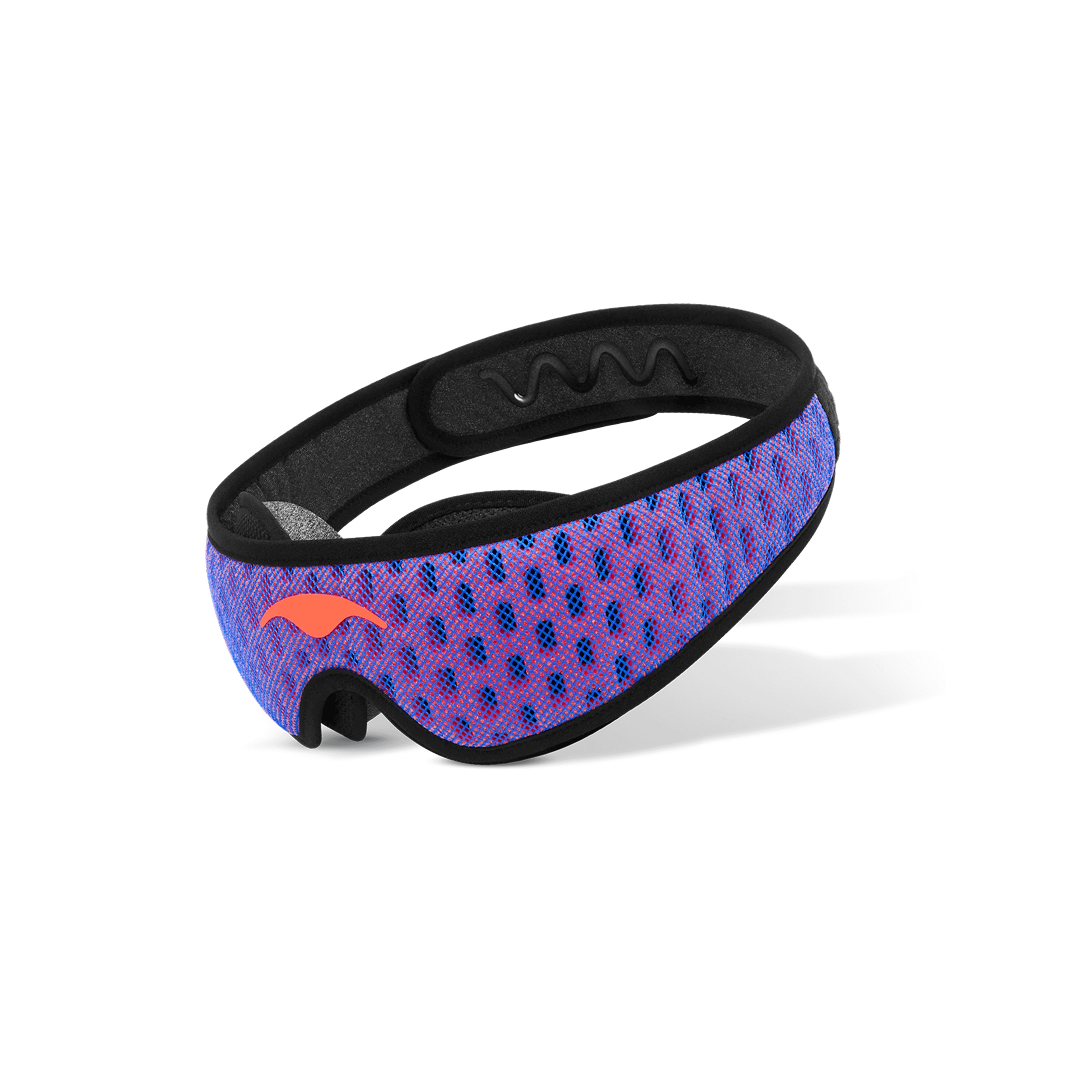
When your dorm room receives more light pollution than Times Square, a quality sleep mask becomes essential gear. The Manta PRO Sleep Mask addresses every common dorm sleep complaint with engineering that actually makes sense.
Key Features
- 100% blackout guarantee, even in broad daylight
- C-shaped eye cups designed for side sleepers
- Zero eye pressure (no more blurry vision after naps)
- Adjustable positioning for any face shape
- Ultra-breathable materials that won’t overheat
Unlike traditional sleep masks that shift, slip, and leak light the moment you move, the Manta PRO features adjustable C-shaped eye cups that create a perfect seal without bulk. “Smart air bubble” technology expands to block light when you’re upright and compresses flat when you’re on your side, so side sleepers finally get true blackout without discomfort.
Students consistently report the mask feels “like wearing nothing at all” while delivering complete darkness. One user noted, “I thought I was sleeping well with the original Manta. Oh boy I slept even better last night. The comfort level is out of this world!”
Cost Analysis
The $85 price tag on the Manta PRO can be divided into four $21.25 installments (every two weeks), which is probably less than this semester’s coffee budget. Plus, this purchase can have a significant impact on your GPA!
Not to mention, Manta Sleep backs their masks with a 60-day satisfaction guarantee, making this a virtually risk-free investment in your academic success. The company has built a strong reputation, with positive customer reviews across multiple platforms.
2. Master strategic napping between classes.
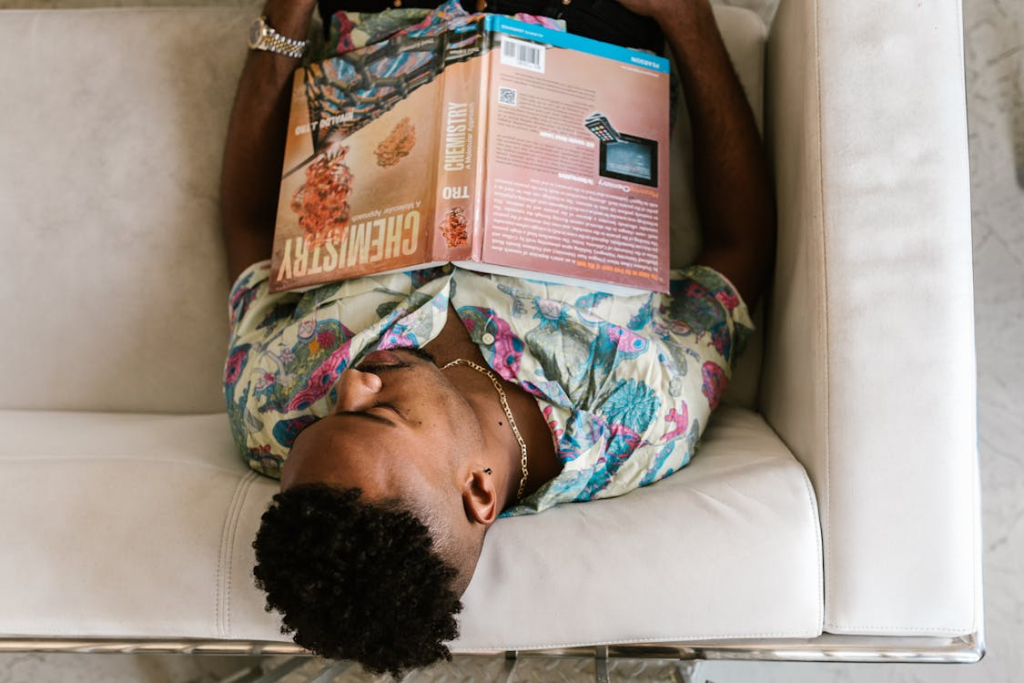
The 20-minute power nap isn’t a college legend—it’s literally cognitive science. Students who get adequate amounts of sleep perform better on memory and motor tasks than those deprived of sleep, and strategic napping can help bridge the gap when nighttime sleep is insufficient.
The key? Timing and darkness. Snooze between 1 and 3 PM when your circadian rhythm naturally dips. Keep naps under 30 minutes to avoid grogginess, and use complete darkness to maximize the restorative benefits. This sleep hack pays dividends when you have a quality sleep mask. You can nap effectively in bright study lounges, your dorm room while your roommate studies, or even the library during breaks.
Create a nap ritual: same time, same duration, same environment cues. Your brain learns to drop into restorative sleep faster when it recognizes the pattern.
3. Win the blue light battle.
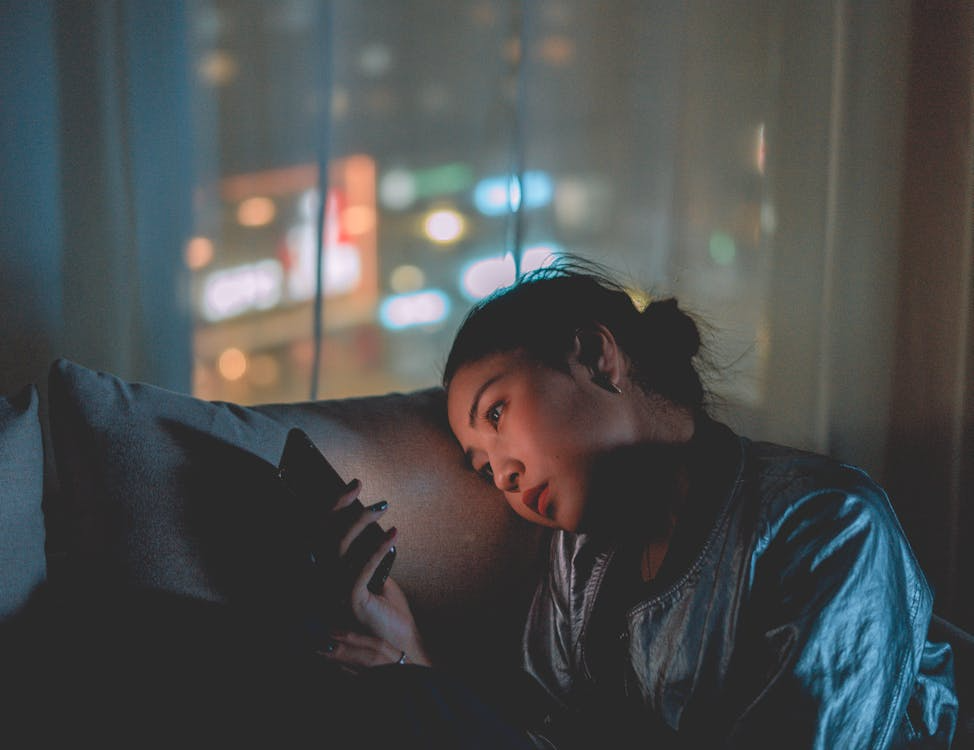
Your laptop and phone emit blue light that suppresses melatonin production to an even greater degree than white lights and reduces the time you spend in slow-wave and REM sleep. When late-night study sessions are unavoidable, blue light blocking becomes critical.
Use your device’s built-in night mode, but don’t stop there. Blue light-blocking glasses for extended screen time and amber lighting for your dorm room create a sleep-friendly environment, even during academic crunch time. The goal isn’t to eliminate technology, but to use it without sabotaging tomorrow’s performance.
4. Create dorm-friendly sleep rituals.
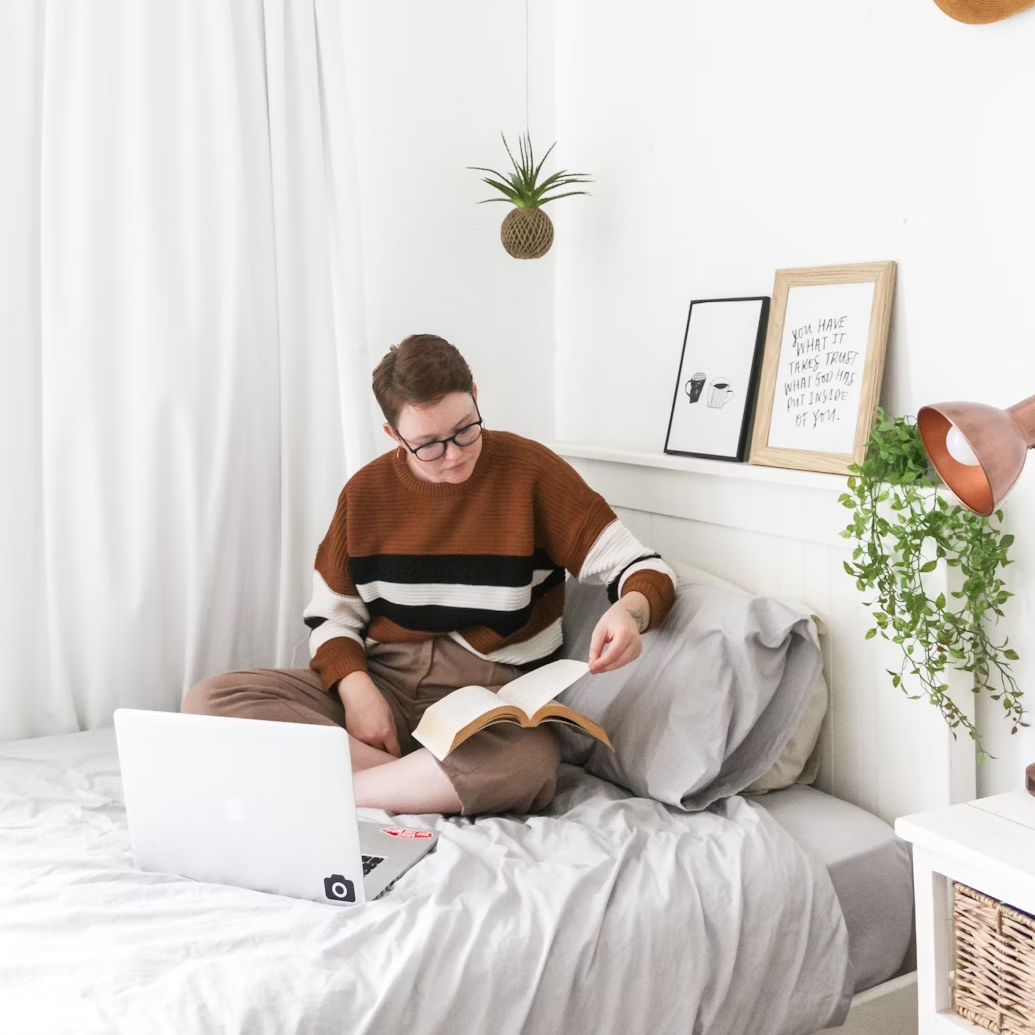
Traditional sleep hygiene advice assumes you have a quiet bedroom and control over your environment. Dorm life requires creative adaptation of sleep hacks. Develop a portable sleep ritual that works regardless of chaos: noise-canceling earbuds with a consistent soundscape, aromatherapy that fits in a small diffuser, or a specific sequence of movements that signals bedtime to your brain.
A 2006 study involving forty-two female college students found that lavender aromatherapy had a beneficial effect on insomnia and depression. Even small environmental cues help your brain recognize sleep time.
The most successful college students create rituals that work within dorm constraints rather than fighting them.
5. Perfect weekend sleep recovery (without destroying weekdays).
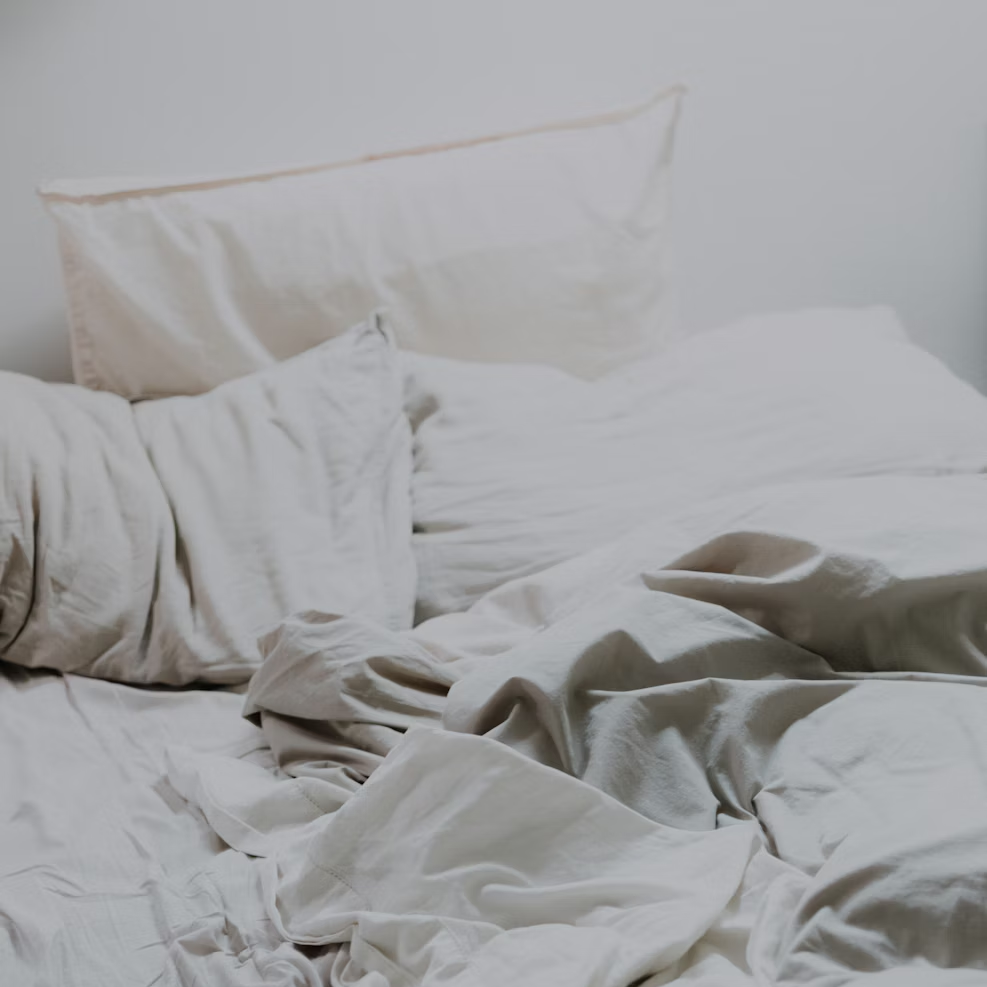
Weekend sleep-ins feel earned after brutal academic weeks, but irregular sleep schedules can disrupt your circadian rhythm and make weekday sleep more difficult. Students who maintain consistent sleep patterns tend to perform better academically than those with highly variable schedules.
Better strategy: maintain consistent wake times within an hour, even on weekends. If you need extra recovery, extend bedtime rather than wake time. Your circadian rhythm stays stable, and Monday doesn’t feel like crossing time zones.
6. Coordinate with roommates for shared sleep success.
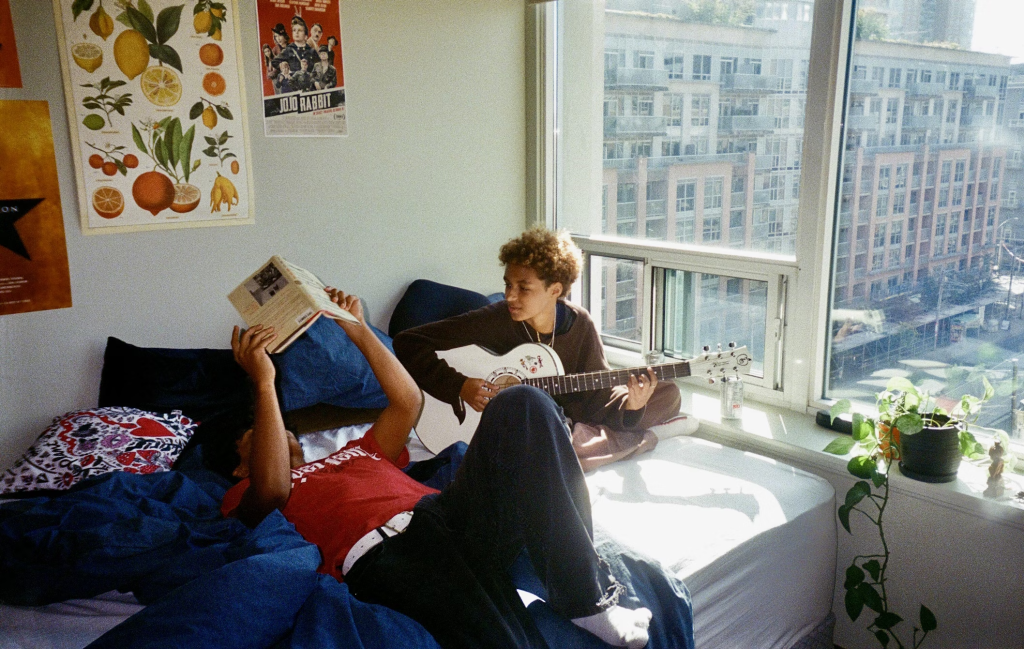
Creating a “roommate agreement” paves the way to discuss expectations about noise levels and sleep schedules. The conversation feels awkward initially, but it prevents months of resentment and poor sleep. Your roommates may not inherently know your needs or problems. Part of the college experience is learning to express needs and cohabitate with others respectfully.
Establish “quiet and dark” hours where both roommates commit to low-noise activities and minimal lighting. When late-night study sessions are unavoidable, agree on alternatives: library study, headphone use, or creating a designated late-night study spot (under a raised bed, hidden by a blackout curtain, for example).
Remember: your roommate wants good sleep too. Frame the conversation around mutual benefit rather than personal demands.
7. Time caffeine intake like a sleep scientist.
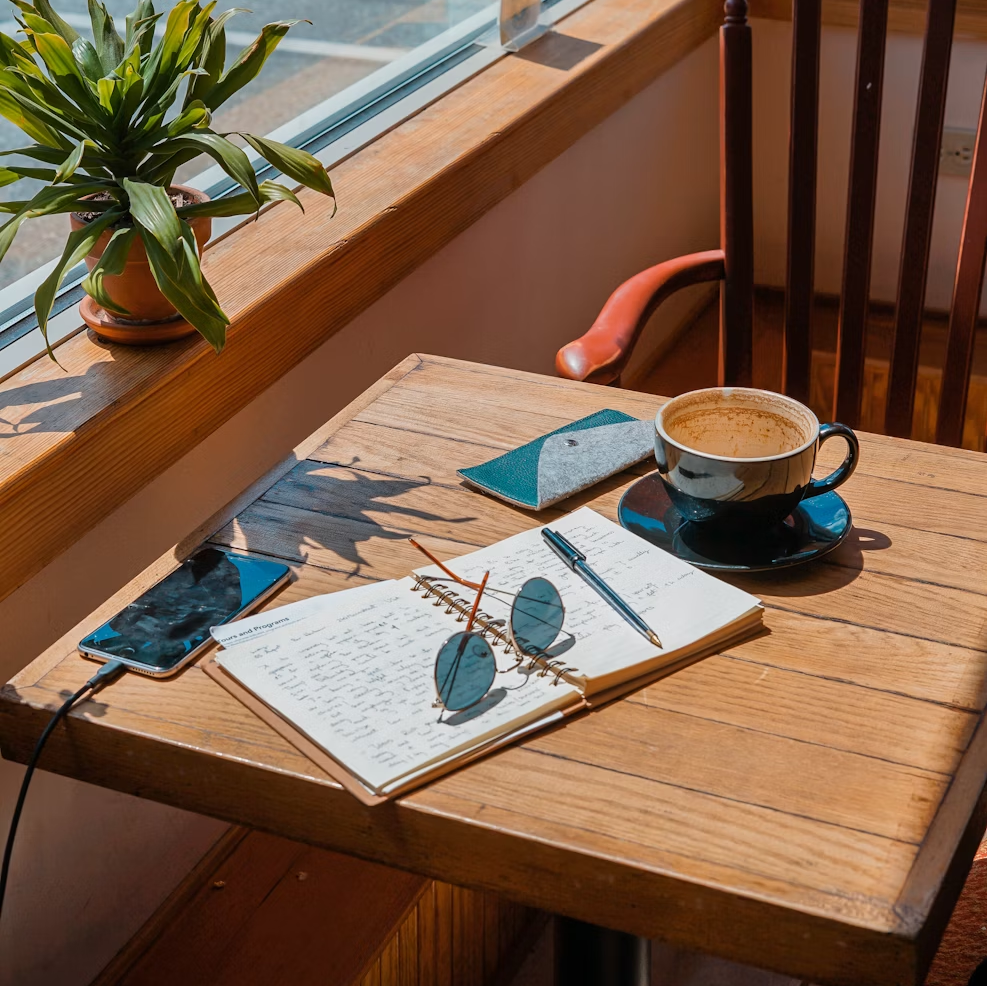
Caffeine can affect sleep for many hours after consumption, making it harder to fall asleep and stay asleep. Research shows that consuming caffeine even 6 hours before bedtime can significantly disrupt sleep quality. The afternoon coffee that gets you through your 3 PM lecture can sabotage your 11 PM bedtime.
Strategic caffeine use: consume before 2 PM when possible, know your personal tolerance (some people metabolize caffeine faster), and consider that energy drinks are associated with higher use of alcohol and other stimulants. If you’re relying on late-day caffeine regularly, your sleep debt is probably the real problem.
Combine them all for sound sleep.
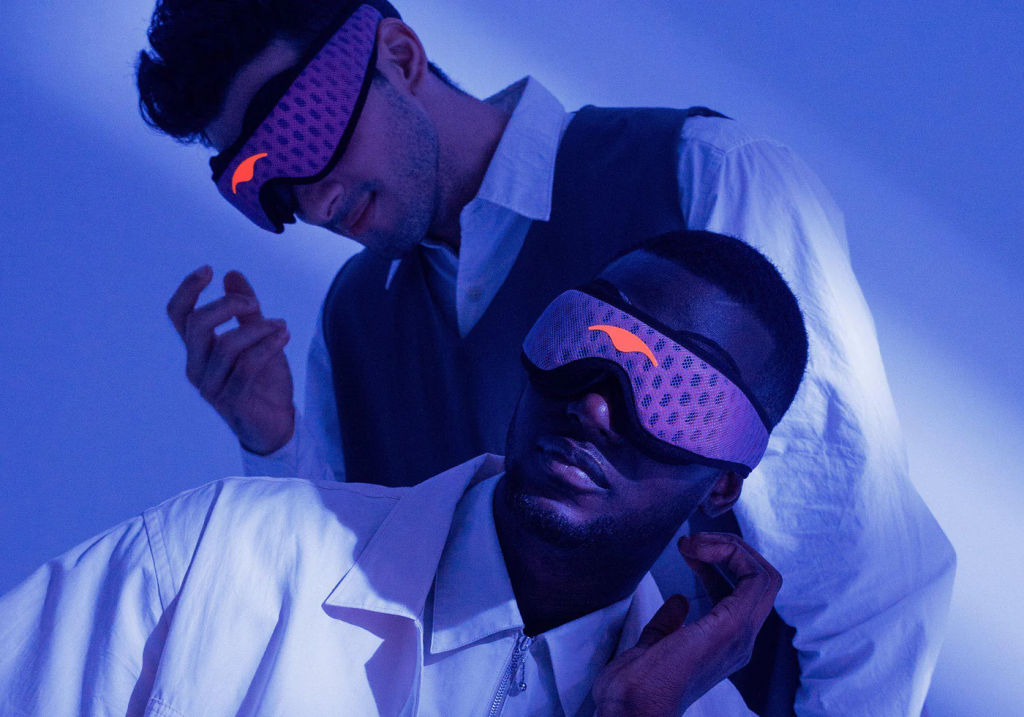
Each sleep hack addresses a specific aspect of college sleep challenges, but they’re designed to work as a system. The Manta PRO Sleep Mask enables napping and provides consistent darkness for better circadian rhythm regulation. Proper blue light management supports natural melatonin production. Consistent sleep timing enhances weekend recovery.
Students who implement multiple sleep hacks see compounding benefits: better focus in class, improved memory consolidation, reduced stress, and yes, higher GPAs.
The Bottom Line

College sleep hacks aren’t selfish—they’re an academic strategy. Each additional day of trouble sleeping per week is associated with a 10% increased likelihood of dropping a course.
Investment in quality sleep tools pays dividends throughout your academic career. The Manta PRO Sleep Mask, in particular, addresses the unique challenges of dorm life while providing the complete blackout that could make all other sleep hacks even more effective.
Ready to transform your sleep?
Frequently Asked Questions
Have an honest conversation about “lights out” hours, when overhead lights go off, and a desk lamp is used instead. You can also invest in a sleep mask, such as the Manta PRO, for a complete blackout.
Sleep masks create the darkness needed to trigger your brain’s natural sleep response, making them perfect for power naps in bright environments like libraries or student lounges.
Divided into four payments of $21.25 each, the $85 cost of the Manta PRO is likely less than your current coffee budget. Consider this proven sleep hack a small investment in your academic success.
You can safely wear a quality sleep mask every night. They only cover your eyes and won’t affect your breathing, and a well-designed mask like the Manta PRO prevents pressure on your eyes.